How Climate Affects Outdoor Pavers: Choosing Materials That Last in Perth Conditions
Designing outdoor spaces in Perth comes with a unique set of environmental challenges. With its hot, dry summers, mild winters, coastal influences, and occasional heavy rainfall, the climate in Western Australia can take a toll on outdoor surfaces—especially paving. Choosing the right materials isn’t just about aesthetics; it’s about durability, safety, and long-term performance.
If you’re planning a driveway, patio, pathway, or pool area in Perth, understanding how climate impacts different paving materials will help you make smarter, more cost-effective decisions. In this guide, we explore how local conditions affect Perth Travertine pavers and what to look for when selecting materials that are built to last.
Understanding Perth’s Climate Conditions
Perth experiences a Mediterranean climate characterised by:
- Hot, dry summers with temperatures often exceeding 30°C
- Mild, wetter winters with seasonal rainfall
- High UV exposure throughout the year
- Coastal salt air in many suburbs
These conditions can accelerate wear and tear on outdoor surfaces, particularly if the materials used are not suited to the environment.
For paving, this means exposure to:
- Thermal expansion and contraction
- Fading and surface degradation from UV rays
- Moisture infiltration and potential erosion
- Salt damage in coastal areas
The key is choosing materials that can withstand these stressors without compromising appearance or structural integrity.
The Impact of Heat and UV Exposure
One of the most significant factors affecting outdoor pavers in Perth is intense sunlight. Prolonged UV exposure can cause some materials to fade, weaken, or become brittle over time.
Read More: WHAT TO LOOK FOR IN A RELIABLE CABINET SUPPLIER
What to Look For:
- UV-stable materials: High-quality concrete pavers and natural stone options are often treated or naturally resistant to fading
- Lighter colours: These reflect heat better than darker tones, helping to reduce surface temperatures
- Textured finishes: These can improve comfort underfoot by reducing heat absorption
Materials like cheap or poorly manufactured concrete may lose colour quickly, leading to a washed-out appearance within a few years. Investing in UV-resistant products ensures your paving maintains its visual appeal long-term.
Managing Heat Retention and Comfort
Beyond durability, heat retention is an important consideration—especially for areas like pool surrounds and entertaining zones. Some paving materials can become extremely hot underfoot, making outdoor spaces uncomfortable during summer.
Better Choices for Heat Management:
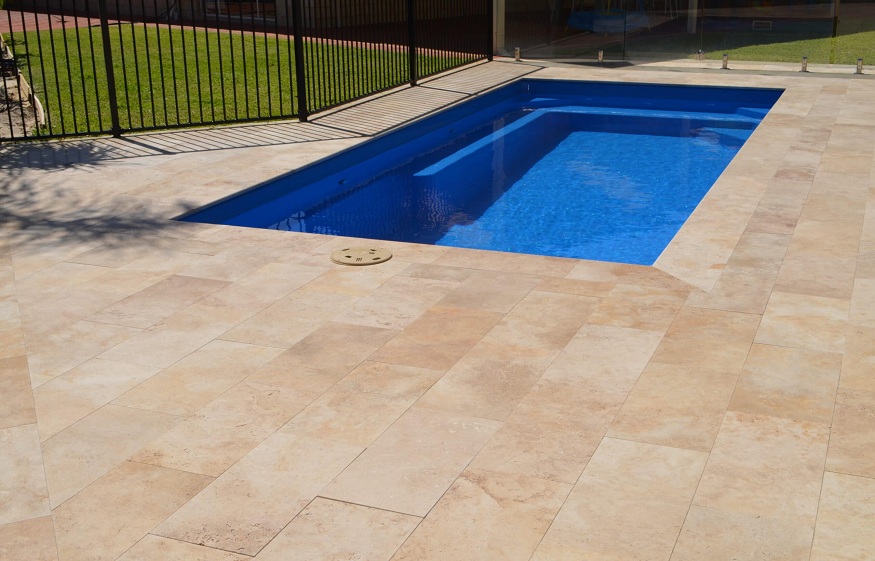
- Natural stone (e.g. limestone or travertine): These tend to stay cooler due to their porous structure
- Permeable pavers: Allow for airflow and moisture movement, reducing surface heat
- Light-coloured concrete pavers: Reflect more sunlight and absorb less heat
Selecting the right material can significantly improve usability during Perth’s peak summer months.
Effects of Rainfall and Drainage
While Perth is known for its dry summers, winter rainfall can still pose challenges for paving systems. Poor drainage can lead to water pooling, erosion, and long-term structural issues.
Key Considerations:
- Permeability: Permeable pavers allow water to drain naturally into the ground
- Proper base preparation: A well-designed sub-base prevents shifting and water damage
- Slip resistance: Wet conditions can make smooth surfaces hazardous
Materials that don’t handle moisture well may develop cracks, mould, or surface damage over time. Ensuring your paving system includes effective drainage is essential for longevity.
Coastal Conditions and Salt Exposure
Many Perth suburbs are located near the coast, where salt-laden air can affect outdoor materials. Salt can penetrate porous surfaces and cause deterioration, particularly in lower-quality concrete or untreated stone.
Recommended Solutions:
- Salt-resistant materials: Dense natural stones and high-quality concrete blends perform better in coastal environments
- Sealing: Applying a protective sealant can help prevent salt absorption
- Regular maintenance: Cleaning and resealing surfaces prolongs their lifespan
If your property is within a few kilometres of the ocean, it’s crucial to select materials specifically suited to coastal conditions.
Popular Paving Materials for Perth Conditions
Choosing the right paver involves balancing performance, aesthetics, and budget. Here’s how some common options stack up in Perth’s climate:
Concrete Pavers
Concrete pavers are a popular and cost-effective choice. When manufactured to a high standard, they offer:
- Good durability in heat and UV exposure
- A wide range of colours and finishes
- Strong load-bearing capacity
However, lower-quality concrete may fade or crack over time, so it’s important to source from reputable suppliers.
Natural Stone
Natural stone options such as limestone, travertine, and granite are well-suited to Perth conditions.
Advantages:
- Naturally UV-resistant
- Cooler underfoot
- Unique, premium appearance
Considerations:
- Higher upfront cost
- May require sealing depending on the stone type
Limestone, in particular, is widely used in Western Australia due to its availability and performance in local conditions.
Clay Brick Pavers
Clay pavers are known for their rich colour and durability.
Benefits:
- Colour is baked in, so it won’t fade easily
- Resistant to UV damage
- Long lifespan
Drawbacks:
- Can retain heat more than lighter materials
- Limited colour range compared to concrete
They’re a strong choice for driveways and traditional-style landscapes.
Permeable Pavers
Permeable systems are becoming increasingly popular in sustainable landscaping.
Key Benefits:
- Excellent drainage
- Reduced water runoff
- Improved ground stability
These are particularly useful for managing winter rainfall and reducing pressure on stormwater systems.
Installation Matters Just as Much as Material
Even the best paving material can fail if it’s not installed correctly. In Perth’s climate, proper installation is critical to ensure long-term performance.
Essential Steps:
- Excavation and base preparation: Prevents shifting and cracking
- Compaction: Ensures stability under load
- Jointing materials: Helps maintain alignment and drainage
- Professional expertise: Reduces the risk of costly issues later
Working with experienced installers who understand local conditions will make a significant difference in the lifespan of your paving.
Maintenance Tips for Long-Lasting Pavers
To get the most out of your investment, regular maintenance is key. Fortunately, most paving systems require minimal upkeep when installed properly.
Simple Maintenance Practices:
- Sweep regularly to remove debris
- Clean with water or mild detergent as needed
- Reapply sealant periodically (if applicable)
- Address minor issues early to prevent larger problems
These steps help preserve both the appearance and functionality of your outdoor surfaces.
Final Thoughts
Perth’s climate can be tough on outdoor materials, but with the right approach, your paving can stand the test of time. By considering factors like heat, UV exposure, rainfall, and coastal conditions, you can select materials that not only look great but also perform reliably for years to come.
Read More: PEST-PROOFING YOUR LOG CABIN: PREVENTING INSECTS AND RODENTS DURING SUMMER
Whether you opt for concrete, natural stone, clay, or permeable pavers, the key is choosing high-quality products and ensuring proper installation. With thoughtful planning, you can create outdoor spaces that are durable, comfortable, and perfectly suited to Perth’s unique environment.