
Buying an Older Property? The Hidden Defects Standard Surveys Often Miss
A survey is a starting point, not a guarantee
There’s a common assumption that a property survey, once passed, means a home is more or less free of serious problems. In reality, a standard survey is a visual, non-invasive inspection, surveyors don’t lift floorboards, move furniture, or access every corner of a loft, which means a genuine number of defects simply aren’t visible during a typical pre-purchase inspection. This isn’t a failing on the surveyor’s part so much as an inherent limit of what that kind of inspection can realistically uncover.
For buyers of older properties especially, it’s worth going in with a realistic sense of which issues tend to surface only after moving in, and what options exist if something significant turns out to have been missed or undisclosed.
Structural issues that don’t always show up early
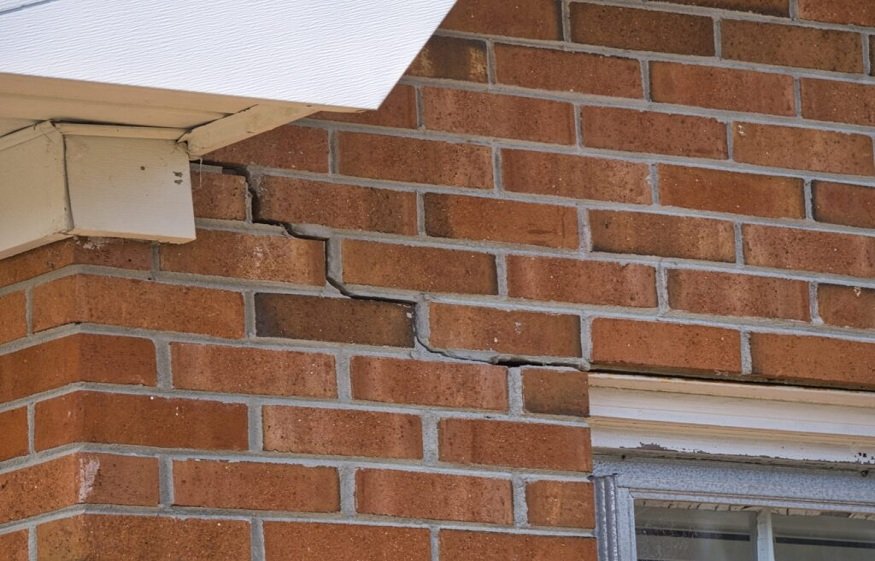
Subsidence, movement in load-bearing walls, and foundation issues can be genuinely difficult to spot during a standard inspection, particularly if a previous owner has carried out cosmetic work, fresh plaster or paint, that happens to mask the early signs. Where a structural issue surfaces after purchase and should reasonably have been identified or disclosed beforehand, it’s worth understanding what structural defect claims actually involve, since the cost of addressing a genuine structural problem can be substantial.
Why older properties carry more of this risk
There’s nothing inherently wrong with buying an older property, plenty of buyers actively prefer the character and build quality that newer housing often lacks, but it’s worth going in with eyes open about why defects are simply more common in older housing stock. Materials and construction standards considered perfectly normal decades ago don’t always meet modern expectations, previous renovations may have been carried out without proper building control sign-off, and a longer ownership history generally means more opportunity for issues to have developed and been patched over rather than properly fixed.
None of this is a reason to avoid older properties; it’s a reason to go in with realistic expectations and a clear sense of what to do if something significant does turn up after the keys have changed hands.
Electrics in older housing stock deserve particular scrutiny
A huge amount of the UK’s older housing stock still has wiring that’s well past its practical safe working life, old fuse boxes, outdated cabling, and sockets that haven’t been checked in decades are common rather than exceptional. This is exactly the kind of issue that a visual survey often can’t properly assess, since most of the relevant wiring is behind walls and under floors. Where a property should have had its electrics properly certified before sale and wasn’t, electrical wiring issues claims are worth looking into, particularly if a full rewire turns out to be necessary shortly after moving in.
Damp, mould, and the problems they’re often a symptom of
Damp and mould are sometimes treated as a simple cosmetic nuisance, but they’re very often a symptom of a more serious underlying issue, a failed damp course, poor ventilation, or a leak that’s gone unaddressed for a long period. If damp becomes apparent after moving in and there’s reason to believe it should have been identified or disclosed earlier, damp and mould claims are a route worth exploring, especially where the underlying cause turns out to be more significant than first appearances suggested.
Heating systems are another common post-purchase surprise
An older boiler or heating system that was represented as working fine at the point of sale can fail within weeks of a new owner moving in, and it’s not always straightforward to tell, from the outside, whether that’s simple bad luck or a problem the seller was already aware of. Where there’s a reasonable case that a heating or boiler issue should have been flagged beforehand, it’s worth looking at heating and boiler claims rather than assuming the cost of repair or replacement simply has to be absorbed.
Getting a proper opinion before assuming the worst
Discovering a significant defect shortly after buying an older property is stressful, but it’s worth resisting the urge to either panic or simply accept it as the cost of an older home. A specialist assessment, from an electrician, surveyor, or damp specialist as appropriate, establishes what’s actually going on and whether it was something that should reasonably have been caught or disclosed earlier. The HD Claims calculator offers a quick, free way to get an initial sense of whether a specific situation is worth pursuing further.
What ‘should reasonably have been disclosed’ actually means
A seller isn’t generally expected to have specialist knowledge of every defect in a property, but they are expected to answer pre-contract enquiries honestly based on what they actually knew. The distinction that matters most is between a genuine defect that nobody could reasonably have known about, and one that the seller was aware of, through a past repair, a previous survey, or simply living with the problem, but didn’t mention. The latter is the category where a claim is most likely to have genuine merit.
Read More: TYPES OF GEYSERS EXPLAINED: WHICH ONE ACTUALLY FITS YOUR BATHROOM?
This is also where a seller’s property information form, completed as part of the standard conveyancing process, becomes relevant evidence, a direct contradiction between what was declared on that form and what’s since turned out to be true is often the clearest starting point for assessing whether something was properly disclosed.
Timing matters when something turns up
If a significant defect surfaces, it’s worth acting reasonably promptly rather than letting a long period pass before looking into it. Getting a specialist opinion early both protects the property from further damage, a small damp patch left unaddressed for a year causes considerably more harm than the same issue caught and treated early, and ensures the evidence trail is as clear and recent as possible if it does turn out to be the basis of a claim.
It’s also sensible to keep any paperwork from the original purchase, the survey report, seller’s disclosures, and conveyancing correspondence, somewhere easy to find rather than filed away and forgotten, since these documents are often exactly what’s needed to establish what was known, and by whom, at the point of sale.