Types of Geysers Explained: Which One Actually Fits Your Bathroom?
Walk into any electronics store or scroll through an online appliance section, and you’ll find geysers sorted by brand, price, and star rating — but rarely by what actually matters first: type. Before wattage or warranty, the type of geyser you choose determines how it fits into your home, how much it costs to run, and how well it matches your daily routine.
Here’s a clear breakdown of the different Types of Geysers available in India today, and the situations each one is actually built for.
1. Storage Water Heaters
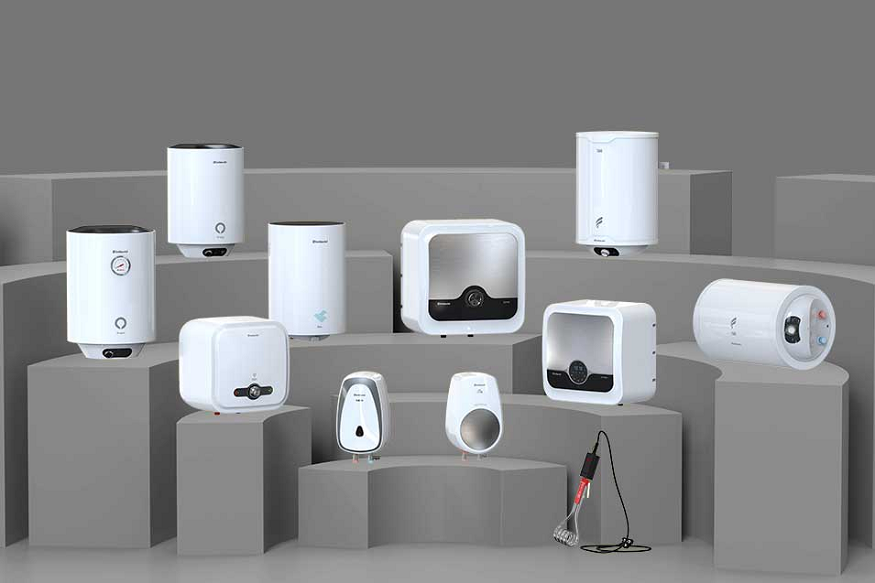
This is the type most Indian households grew up with — a tank that holds and heats a fixed volume of water, keeping it warm and ready for use. Storage geysers typically range from 6 litres to 25 litres or more for residential use.
Best suited for: Homes with multiple people showering around the same time, colder climates where consistent hot water is needed for longer, and households where hot water is needed at more than one tap simultaneously.
Trade-offs: They take longer to heat a full tank initially, need more installation space, and continue consuming some standby energy to maintain water temperature (though modern insulation has reduced this significantly).
2. Instant Water Heaters
Instant geysers heat water as it flows through, rather than storing it. They’re compact, often wall-mounted directly above a sink or shower point, and deliver hot water within seconds of switching on.
Best suited for: Smaller households, single-point installations like a kitchen sink or a compact bathroom, and homes where space is limited or plumbing for a large tank isn’t practical.
Trade-offs: Flow rate can be limited during peak power draw, and they’re generally less efficient for simultaneous multi-point use compared to a well-sized storage unit.
3. Gas Geysers
Less common in urban apartments today but still used in some homes, gas geysers run on LPG or piped natural gas instead of electricity. They can heat water quickly and are sometimes preferred where electricity costs are a bigger concern than gas costs.
Best suited for: Homes with reliable gas connections and adequate ventilation, since these units require proper exhaust systems for safety.
Trade-offs: Ventilation requirements make them unsuitable for many modern apartment layouts, and safety considerations around gas combustion mean installation needs to be done strictly by professionals.
4. Solar Water Heaters
Solar geysers use rooftop panels to heat water using sunlight, with an electric backup for cloudy days or high-demand periods. They’re increasingly popular for larger homes and housing societies looking to cut long-term electricity costs.
Best suited for: Homes with adequate roof space and consistent sunlight, and households looking at a longer-term investment that pays off through reduced electricity bills over several years.
Trade-offs: Higher upfront installation cost, and performance is naturally affected by weather and season, which is why most solar systems are paired with an electric backup heater.
5. Heat Pump Water Heaters
A newer category in the Indian market, heat pump geysers extract heat from the surrounding air to warm water, using significantly less electricity than conventional resistance heating. They’re gaining traction in larger homes and commercial spaces.
Best suited for: Larger households or establishments with high daily hot water demand, where the energy savings over time can offset the higher initial cost.
Trade-offs: Higher upfront price and they perform less efficiently in very cold ambient temperatures, since they rely on heat from the surrounding air.
Matching the Type to Your Home
If you’re renovating or building fresh, this is the ideal time to consider solar or heat pump options, since the plumbing and roof access needed can be planned in advance. For most existing apartments, the choice usually comes down to storage versus instant — and that decision should be based on how many people need hot water, how often, and at how many points simultaneously.
Read More: HOW CLIMATE AFFECTS OUTDOOR PAVERS: CHOOSING MATERIALS THAT LAST IN PERTH CONDITIONS
A useful way to decide: track your household’s actual hot water usage for a week — note peak times, how many people need it at once, and how long showers typically run. This small exercise gives a far more accurate picture of your needs than simply picking whatever type your neighbour has.
A Quick Comparison at a Glance
| Type | Installation Effort | Running Cost | Best For |
| Storage | Moderate | Moderate | Multi-person households |
| Instant | Low | Low–Moderate | Single-point, compact spaces |
| Gas | High | Low (with gas connection) | Homes with gas infrastructure |
| Solar | High (upfront) | Very Low (long-term) | Larger homes, long-term savings |
| Heat Pump | High (upfront) | Low | High daily hot water demand |
Choosing the right type isn’t about picking the most advanced option — it’s about matching the technology to how your household actually uses hot water, day to day.