COMMON MISTAKES HOMEOWNERS MAKE WHEN CARING FOR TREES
Trees are generally considered low maintenance. They are often planted and forgotten for years on end.
In reality, trees require informed and consistent care to remain:
- Healthy
- Structurally sound
- Safe over the long term.
In most cases, it’s not big issues of neglect.It is thelittle mistakes that homeowners make over the years that add up.
Here are the most common ones to be aware of.
Incorrectly mulching around the base
Properly placed mulch around a tree actually helps.It helps:
- Conserve soil moisture
- Control soil temperature
- Reduce the growth of unwanted plants.
The most common problem is the mulch volcano. This is when homeowners pile mulch up against the trunk. As a result:
- Moisture pools against the bark
- It encourages fungal disease and rot
- It may gather pests that nest in the moist cover.
According to arborists who offer tree maintenance Denver, wrong mulching is one of the most common factors that cause gradual tree decline.
Read More: ACHIEVING SUSTAINABLE OUTDOOR SPACES: TOP 8 INNOVATIVE IDEAS
Apply mulchsome inches away from the trunk.
Watering too much or too little
Both extremes damage trees. You might not notice it immediately. Excessive water will:
- Make the soil waterlogged
- Prevent oxygen from reaching the roots
- Encourage root rot.
During the dry summer in Denver, watering too little:
- Causes stress to the tree at the cellular level
- Makes it more susceptible to pests and diseases.
The correct watering method will depend on the tree:
- Species
- Age
- Soil type.
Newly planted trees will require much more regular moisture. But mature ones have deep root systems that can get water from groundwater.
Topping trees instead of pruning properly
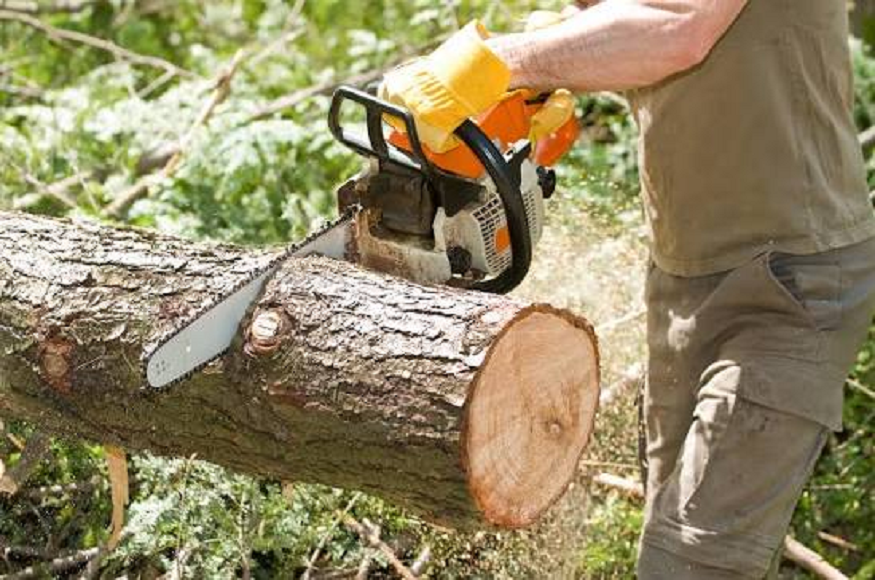
Topping is cutting main branches back to stubs. It causes the tree to form large open wounds that are difficult for the tree to repair and seal. That allows disease and decay to penetrate the heart of the tree.
Regrowth after topping is usually:
- Weak
- Vigorous
- Structurally different from the branches it replaced.
Careful selection of branches for pruning can result in the same effect on both the long-term health and appearance of the tree as topping. But without the structural harm and stress associated with topping.
Not addressing early signs of disease or pest activity
Some of the early signs of trouble with a tree include:
- Discoloration
- Unusual bark texture
- Visible fungus growth
- Early leaf drop
- Certain insects.
Most people see these symptoms and decide to wait it out. They hope the tree will resolve the problem. That rarely happens.
By the time the problem is visually obvious,simple treatment might not be sufficient. The options narrow to expensive remediation or removal.
Planting trees too close to structures
A sapling can grow around a fence, driveway, or building. For years, it might seem harmless and healthy. But then, the problem becomes noticeable.
Root systems spread much farther than the visible canopy. As the tree grows, they can:
- Lift footings
- Crack driveways
- Enter drainage lines
- Lift paving.
Research the mature size of the tree beforehand. This will help you plan accordingly to prevent disruption later in life.
Read More: LANDSCAPING FOR BEES: PLANTS AND HABITATS THEY LOVE
Final words
The majority of tree care errors can be corrected if detected early. Avoiding the above mistakes can help you make better decisions about the trees that define your property.