How to Choose the Best Shower Pan for Your Bathroom Remodel
Choosing the right shower pan prevents catastrophic water damage and forms the foundational footprint of your entire bathroom remodel. The shower base serves as the structural floor that collects water and directs it safely down the drain line. Selecting an inadequate base leads to subfloor rot, tile failures, and expensive plumbing repairs later on. By understanding the core materials, shapes, and installation styles available, you can confidently choose a base that balances durability with your personal design aesthetic.
Selecting the Right Material for Durability and Maintenance
The material composition of your shower pan determines its lifespan, resistance to staining, and the amount of cleaning effort required. Fiberglass bases represent the most budget-friendly option, but they tend to flex underweight and wear down quickly over time. The porous surface absorbs oils and soaps, leading to discoloration that requires frequent scrubbing to manage.
Acrylic shower bases offer a major upgrade in longevity and structural rigidity while remaining relatively lightweight. The non-porous surface resists scratches and staining, keeping its finish clean with basic household cleaners. For a premium, permanent solution, solid surface composites or cast iron bases provide absolute rigidity, an upscale feel, and a lifetime of performance.
Determining the Perfect Shape and Size Strategy
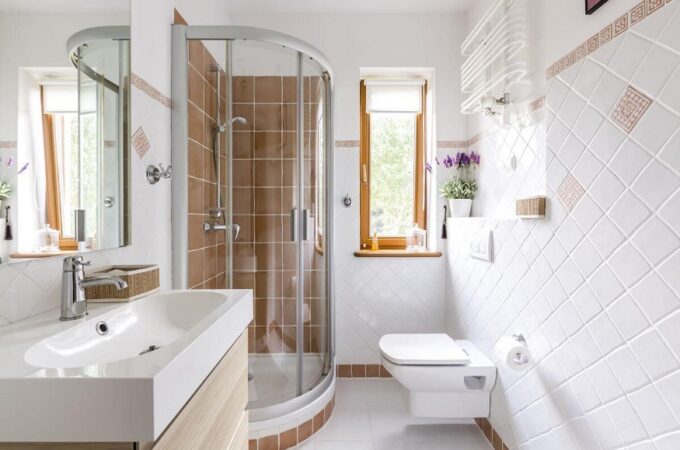
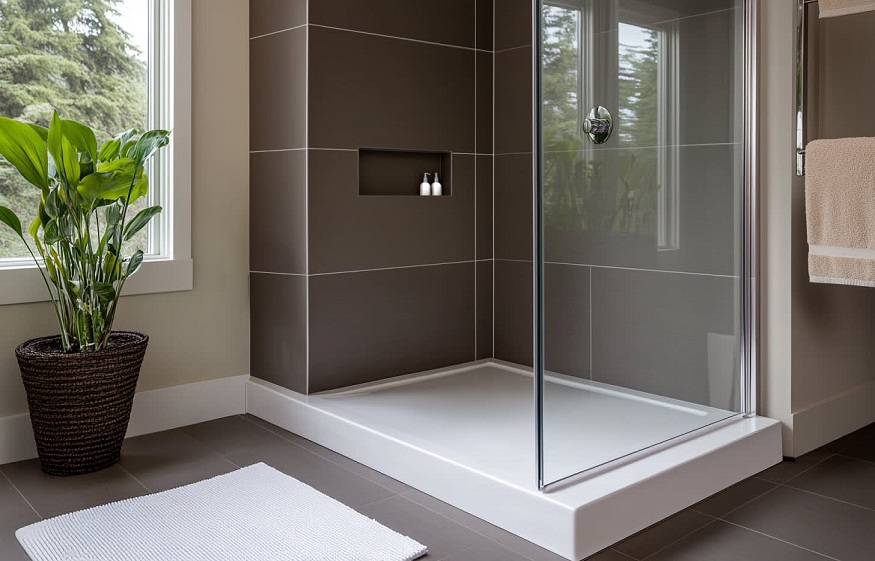
Accurately measuring your available bathroom layout prevents costly framing modifications during the installation phase. Standard alcove spaces usually accommodate rectangular or square bases, which utilize three enclosed walls and one glass entry side. If you are working within a compact bathroom footprint, neo-angle or corner rounded bases optimize floor space efficiently.
The location of your existing drain line should dictate your final product choice to minimize complex plumbing alterations. Purchasing a base with a matching center, left, or right drain configuration saves significant money on pipe relocation fees. Standard sizes range from modest three-foot squares to expansive five-foot luxury configurations, meaning you must verify your walking clearance before purchasing.
Evaluating Threshold Heights and Accessibility Needs
The profile height of your shower base directly impacts both the visual aesthetics of the room and user accessibility. Traditional multi-inch curbs provide a thick barrier that easily keeps splashing water contained within the showering area. These standard configurations work well in family homes where maximum water containment is the primary concern.
Read More: HOW CLIMATE AFFECTS OUTDOOR PAVERS: CHOOSING MATERIALS THAT LAST IN PERTH CONDITIONS
Low-profile and zero-threshold bases offer a seamless transition from the main bathroom floor into the shower enclosure. Eliminating the step-in barrier creates a modern, spacious aesthetic that makes smaller bathrooms look significantly larger. This barrier-free design provides excellent accommodation for aging-in-place modifications or individuals with limited mobility.
Precision Installation Types for Long-Term Security
Understanding how a shower pan integrates with your bathroom subfloor ensures a watertight seal that protects the joists below. Different products require distinct rough-in methods to secure the unit firmly in place.
- Pre-Receptacle Molded Pans: Single-piece factory units that drop directly onto the subfloor, offering rapid installation and zero assembly seams.
- Tile-Ready Shower Trays: Specialized foam or composite bases designed to be tiled over directly, allowing for a fully custom floor look.
- Custom Mortar Bed Bases: Hand-poured concrete bases sloped manually by professionals, ideal for irregular or non-standard space dimensions.
- Integral Flange Systems: Raised perimeter edges that slide behind your wallboard to create an absolute barrier against hidden wall leaks.
Conclusion
Investing in a high-quality shower pan secures the structural health of your home and defines the daily comfort of your bathroom. Prioritizing non-porous materials like acrylic or solid surface composites minimizes maintenance while maximizing the longevity of your renovation investment. Aligning your drain configuration with your existing plumbing layout prevents budget inflation during the rough-in stage. Take accurate measurements, consider your long-term accessibility goals, and select a sturdy base that anchors your bathroom design for decades to come.