
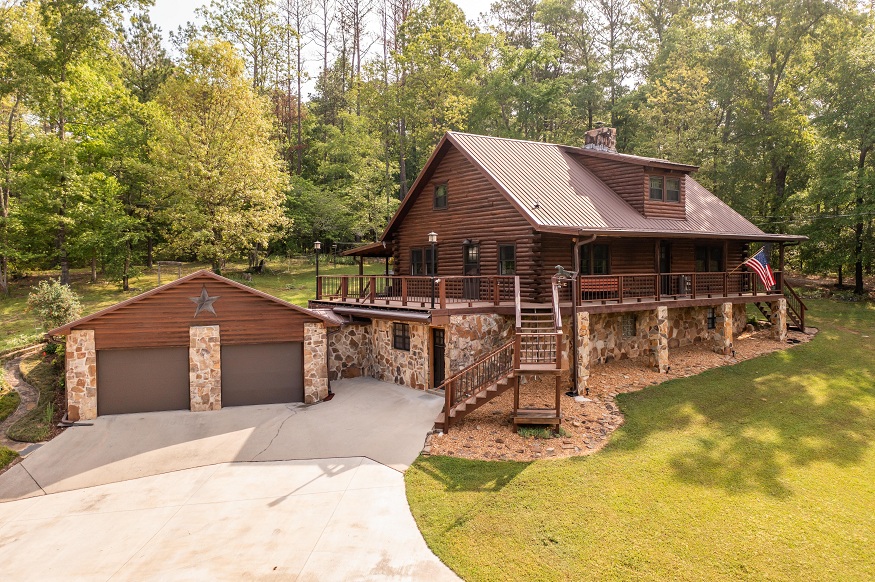
Tailored Timber: How to Customize a Log Cabin to Fit Your Lifestyle
A custom log cabin should adapt to your daily routines rather than forcing you to adjust to a rigid layout. While traditional cabin designs evoke images of dark, cramped hunting lodges, modern timber construction allows for complete architectural flexibility. Whether you are building a remote sanctuary for remote work, a high-capacity hub for multi-generational family gatherings, or an efficient homestead for active outdoor recreation, the structural footprint must reflect your personal priorities. Transforming raw logs into a highly functional home requires making deliberate choices regarding interior zoning, natural lighting, and specialized utility spaces before the first timber is stacked.
Zoning the Floor Plan for Daily Activities
Designing a functional cabin begins with analyzing how you move through your home each day. An open-concept great room paired with a cathedral ceiling is excellent for entertaining, but it can create acoustic challenges if you need quiet areas for work or relaxation. If your lifestyle includes remote employment or creative hobbies, you must design distinct zones that isolate sound. Incorporating a loft space dedicated exclusively to an office or studio allows you to maintain a separation between your professional tasks and your personal life.
For those who prioritize hosting guests, the layout should emphasize private suites situated away from the central living area. Placing guest bedrooms on a separate wing or a lower walk-out level ensures that both you and your visitors retain privacy during extended stays. Consider the flow of traffic from the main entrance to the kitchen. A well-zoned floor plan minimizes steps when carrying groceries or gear, ensuring that the heavy timber structure supports physical convenience.
Specifying Specialized Mudrooms and Gear Storage
An active outdoor lifestyle will quickly overwhelm a cabin that lacks dedicated transition spaces. If your routine involves hiking, skiing, hunting, or gardening, a standard front entryway is entirely inadequate for managing muddy boots and wet outerwear. You need a highly organized, heavy-duty mudroom situated at the secondary entrance of the cabin. This space acts as a decompression chamber, keeping dirt and moisture out of your main living areas.
Equip this transition zone with durable, water-resistant flooring, such as slate tile or stamped concrete that can withstand heavy boots scraping. Install built-in lockers, heavy-duty utility hooks, and an industrial-grade sink for washing gear or cleaning fish and game. If you have pets, integrating a low-profile dog wash station directly into the mudroom layout prevents muddy paws from ruining your interior wood finishes. This practical customization ensures that your outdoor adventures do not create extra cleaning chores inside.
Adapting Materials and Textures for Personal Style
Alabama log cabins are no longer restricted to a single rustic aesthetic. You can customize the interior finishes to reflect your personal taste, whether that skews toward industrial minimalism, modern farmhouse, or traditional lodge. Choosing the profile of your logs is the first step in setting the stylistic tone. Round logs deliver a classic, rugged appearance, while square-cut logs with clean chinking lines offer a more tailored, contemporary look.
You can also break up the monotony of all-wood interiors by introducing complementary textures on accent walls. Incorporating local dry-stack stone around a fireplace inserts a rugged, grounding element into the great room. Utilizing painted drywall on select interior partitions brightens specific rooms, makes spaces feel larger, and provides a smooth surface for displaying artwork. Selecting contrasting hardware, such as matte-black iron or brushed-steel fixtures, allows you to anchor the design and inject a sense of modern sophistication into the timber framework.
Conclusion
Customizing a log cabin is an exercise in aligning your architectural environment with your personal passions. By intentionally zoning your floor plan for acoustic privacy, engineering your window placement to harvest natural light, and building rugged mudrooms to support an active lifestyle, you create a home that functions flawlessly. Your cabin should be a direct reflection of how you choose to spend your days, serving as a reliable launchpad for your adventures and a comforting retreat at the end of them. Investing the time to detail these personalized layout features before construction begins ensures that your timber home will deliver deep comfort, utility, and pride of ownership for decades to come.